Why a maintenance plan
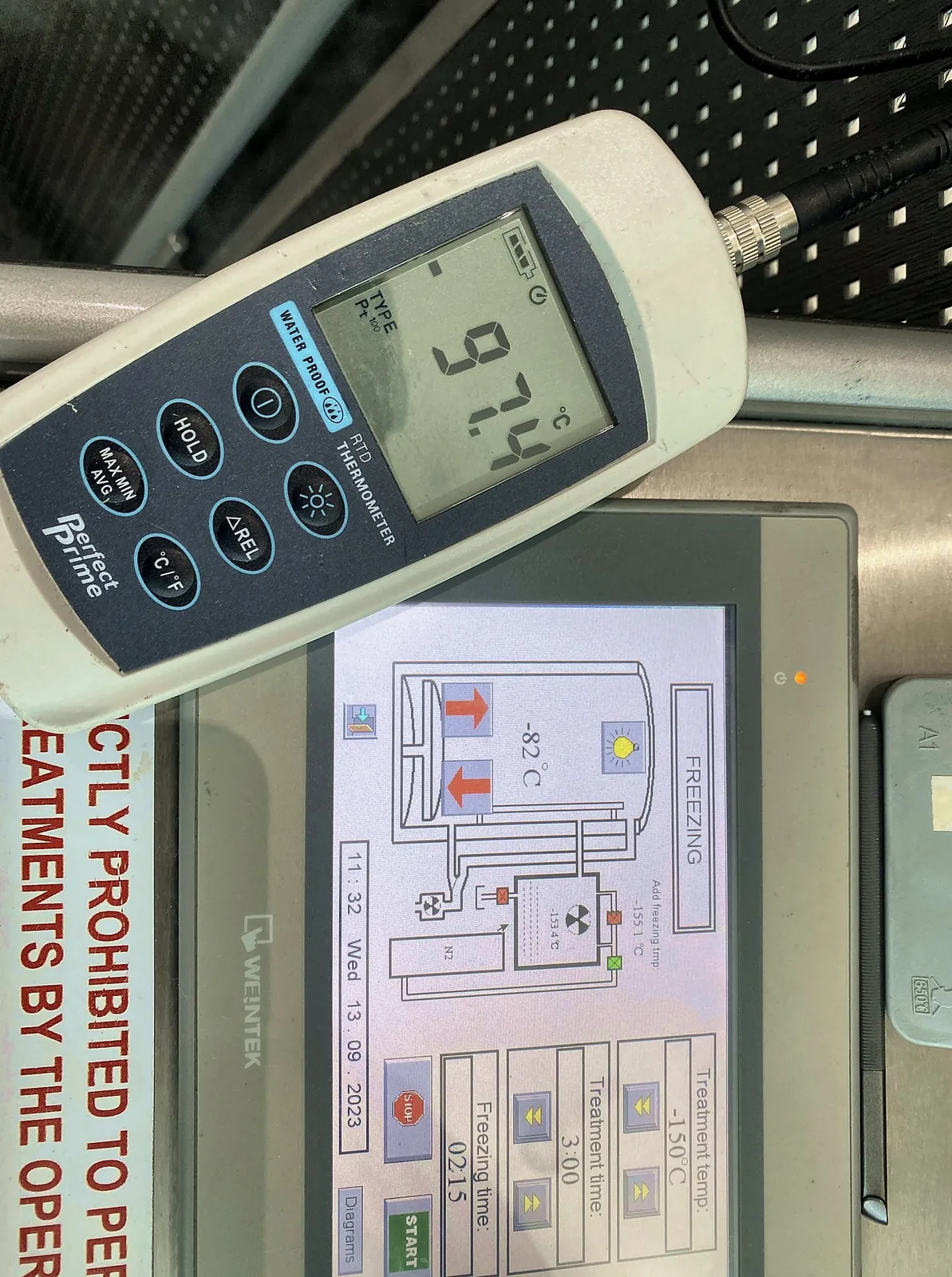
When a machine breaks, owners panic, and for good reason: it’s their revenue stream, and they need it fixed as soon as possible. But when you’re in a time crunch, everything costs more. Parts go out by expedited shipping, and a plane ticket for tomorrow costs more than one booked three weeks out. The best repair is the one you never need: make sure the machine doesn’t break at all.
That’s what a maintenance plan does. Most of the damage we repair could have been avoided with regular care.
How a plan works
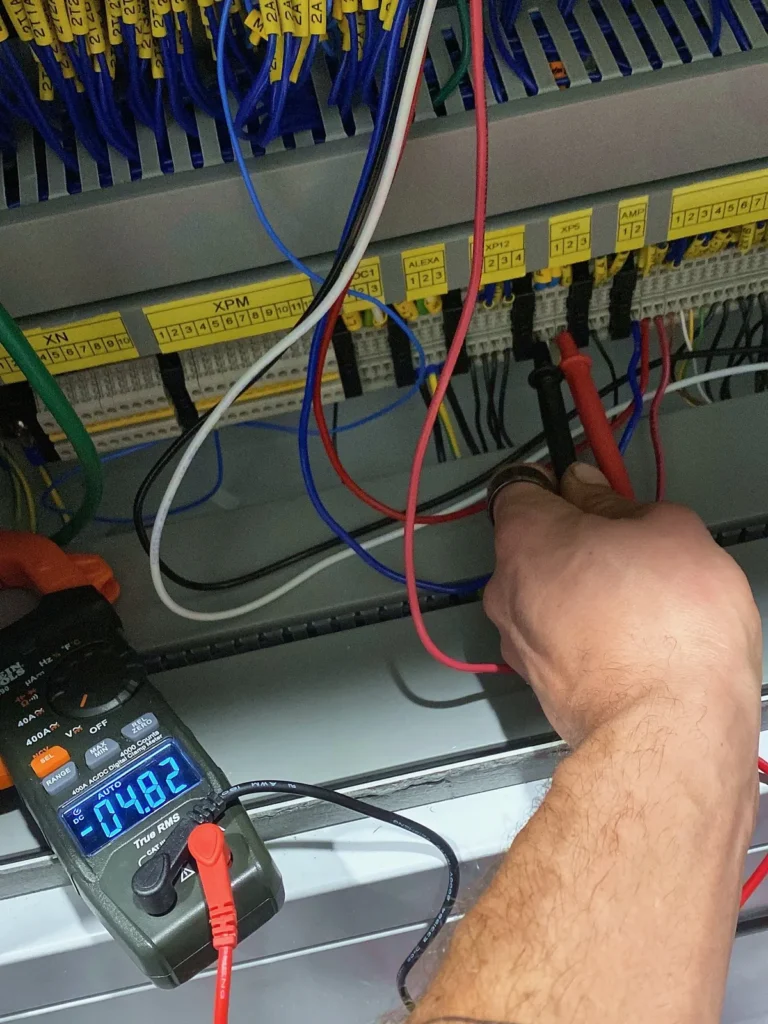
- One visit a year for your whole location: every machine in your recovery room, in the same visit.
- Scheduled ahead. We usually book the visit in advance, so travel and parts are not rush-priced. Sometimes we combine it with another job in your area.
- Priority when something breaks. If a machine fails between visits, plan customers go to the front of the line.
- Priced per location. The price depends on your machines and where you are. We quote it before anything is booked.
What we do on every machine
Different machines have different needs, but some work applies to all of them:
- Check for leaks. Every machine, electric or nitrogen.
- Clean the solenoid valves on machines that have them, electric or nitrogen.
- Clean the machine thoroughly. Fans move air, and air contains dust. Humidity and water turn that dust into a slimy paste that can damage components.
Nitrogen cryosaunas
- Clean the nitrogen nozzles.
- Clean and oil the lift and the turbine, on machines that have them.
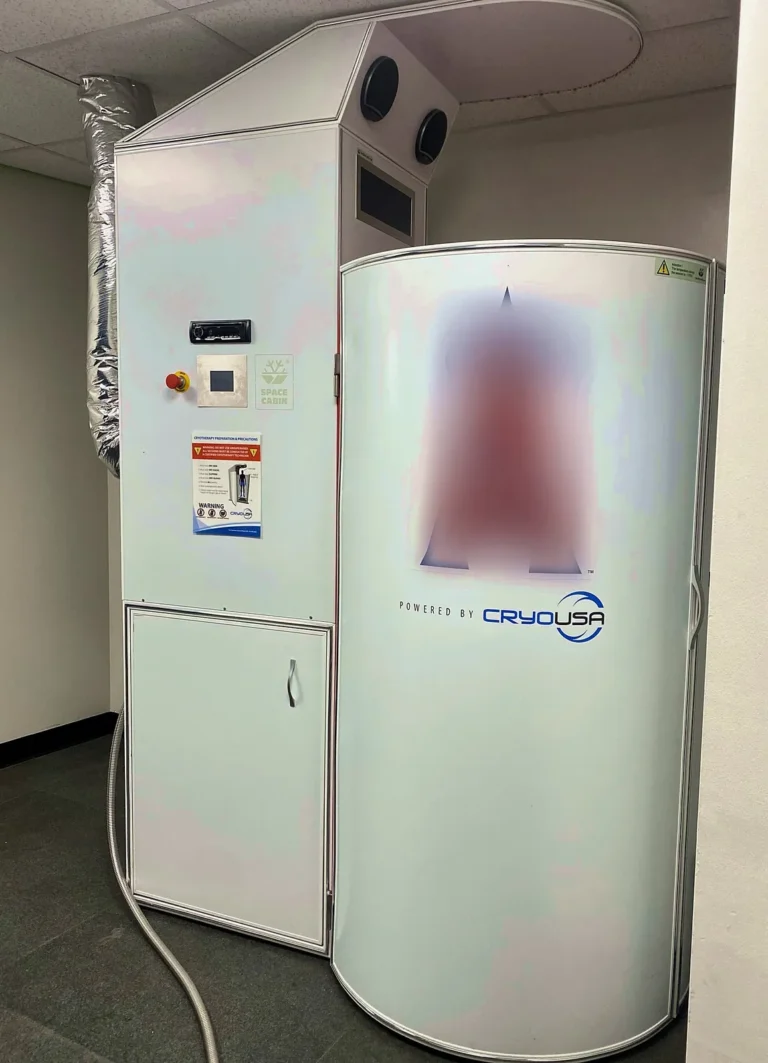
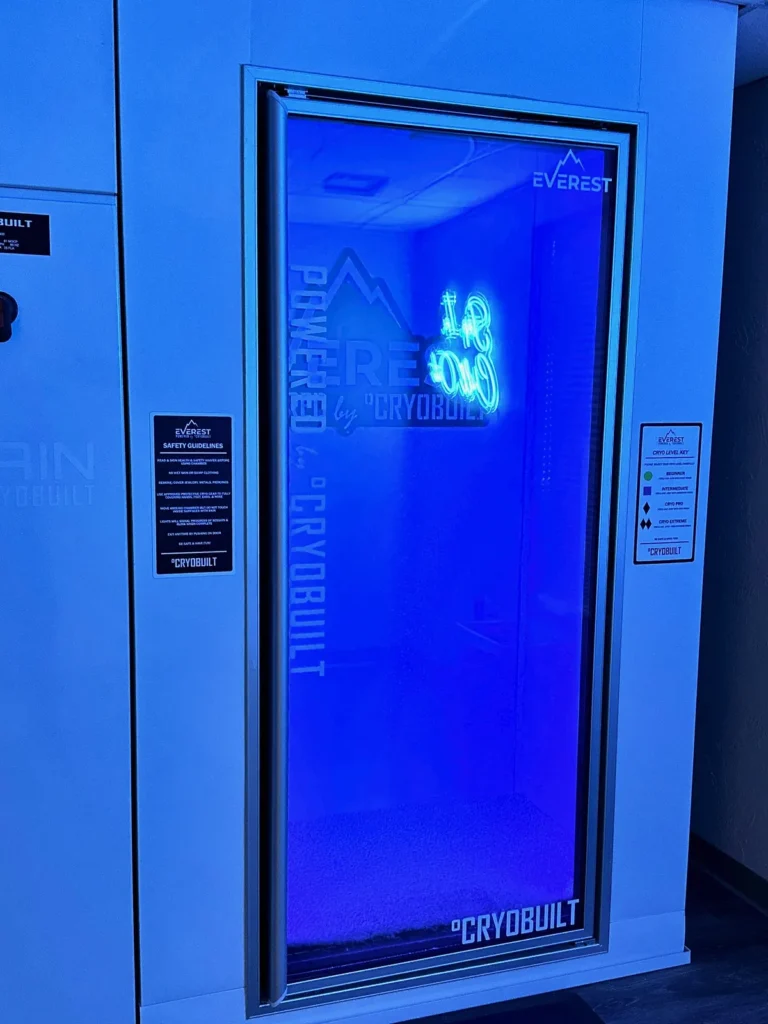
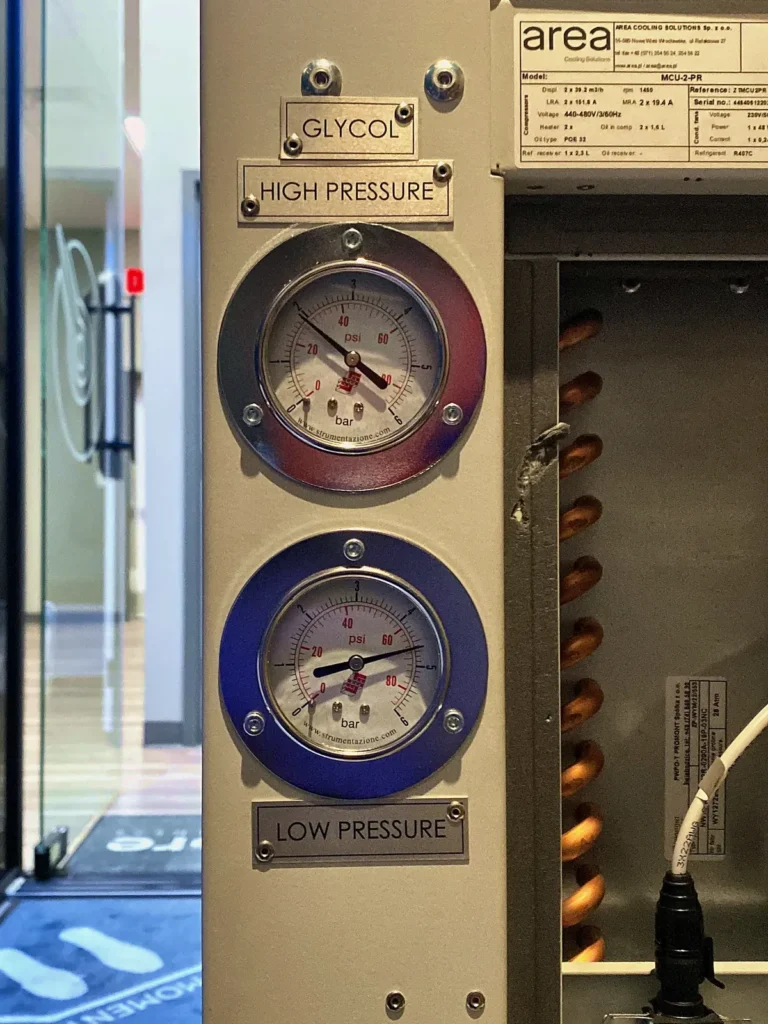
Electric whole-body chambers
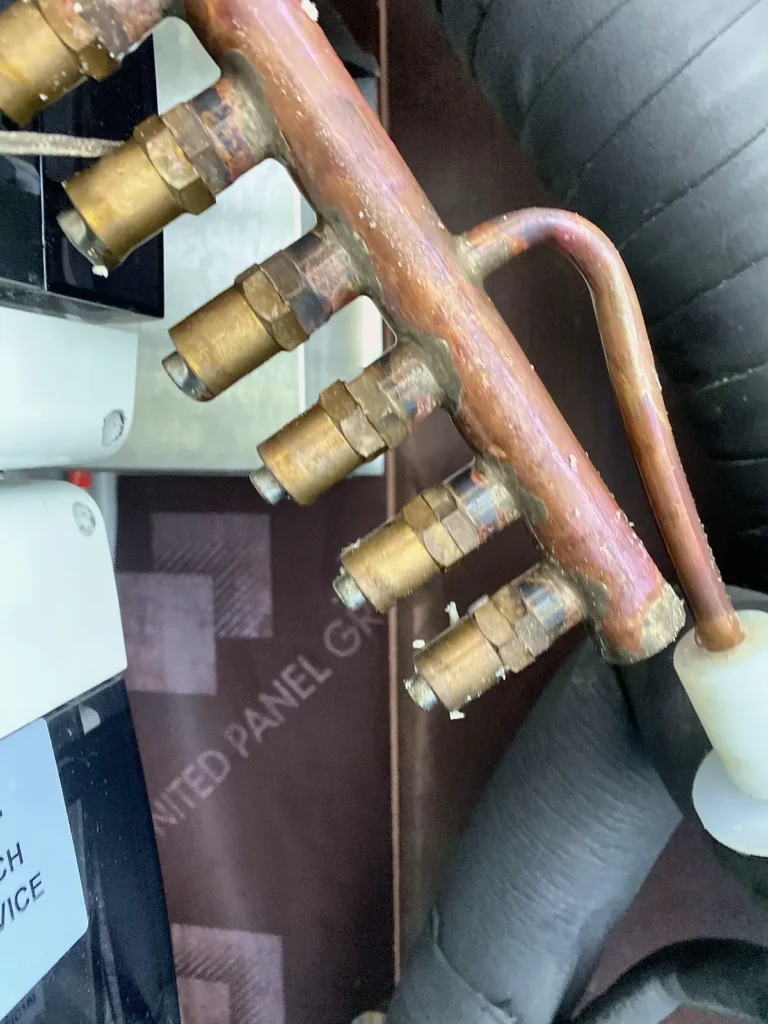
- Top off the compressor oil.
- Check that all the silicone seals are still good.
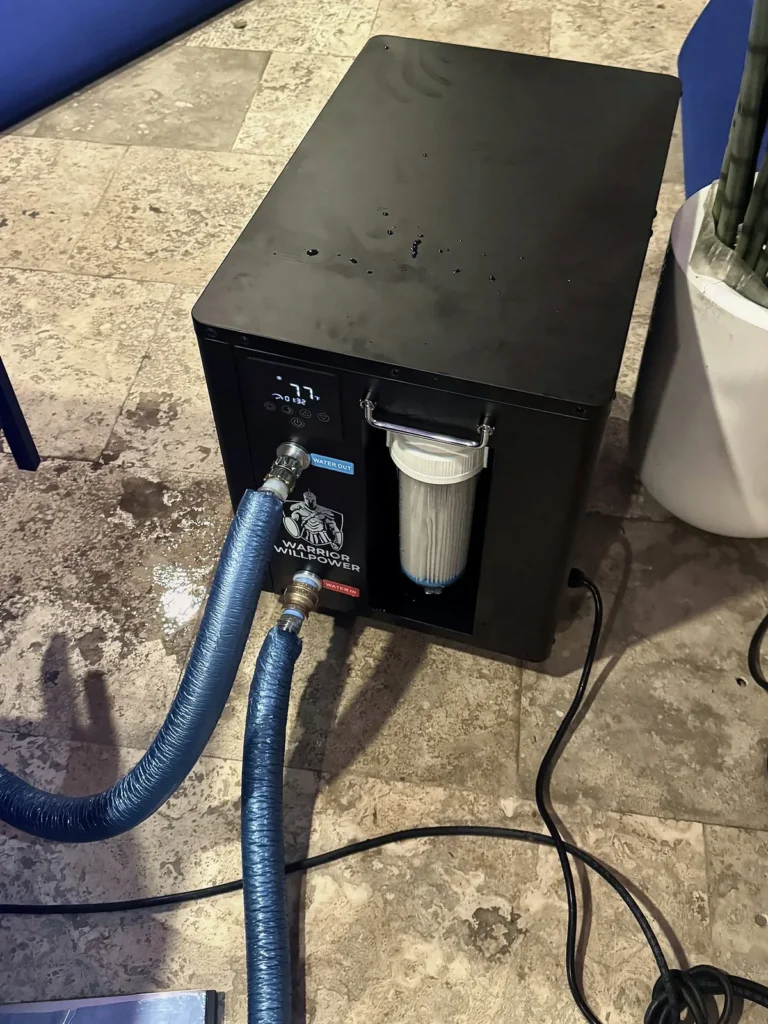
Cold plunges
- Filter maintenance.
- Check the chiller.
- Drain and clean the entire unit.
Saunas
Saunas are relatively bulletproof, but it’s worth checking the electrical for any signs of burning: they combine a lot of heat with a lot of power draw.
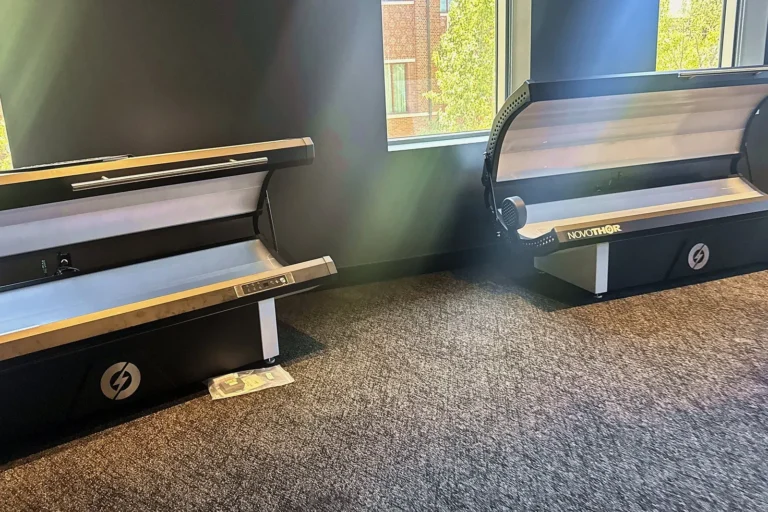
Red light beds
- Check the fans.
- Tighten the canopy opening mechanism. This one is very important: the springs loosen over time, and you don’t want the canopy to crash down on a client.
Float tanks and dry float
- Check the electrical.
- Drain and clean.
- Filters.
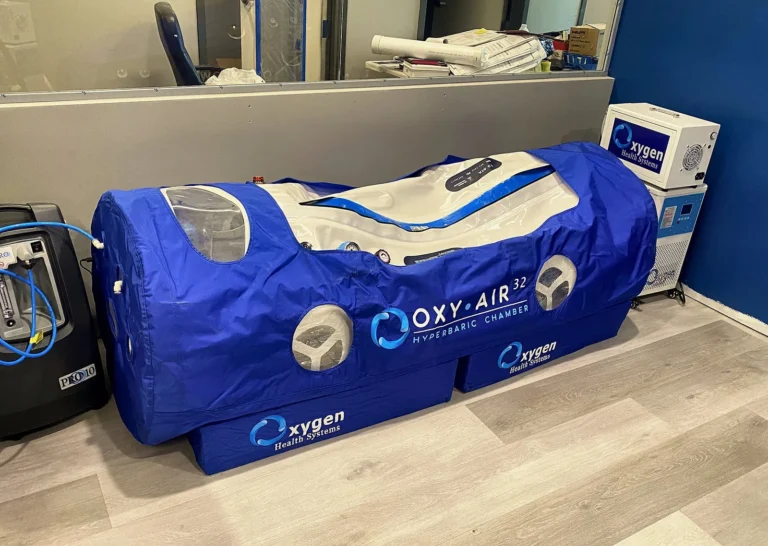
Hyperbaric chambers
- Replace the air filters once a year. Most owners don’t know their unit has air filters.
- Check the hoses at the back that connect the compressor, oxygen concentrator and air conditioner to the chamber. They are not UV resistant: if the unit stands where the sun reaches it, the hoses become brittle and can break or leak.
Between visits
Some checks are yours: dry the machine fully every night, keep the room below 40% humidity, and watch seals and reservoirs. The yearly maintenance checklist lists what owners can do and what needs a technician. For more on why machines fail, read what breaks in cryotherapy machines.
Frequently asked questions
How often does a maintenance plan visit happen?
Once a year. We schedule the visit ahead of time, so travel and parts are not rush-priced.
Does one plan cover all my equipment?
Yes. A plan covers the whole location: nitrogen cryosaunas, electric chambers, cold plunges, saunas, red light beds, float tanks and hyperbaric chambers are all handled in the same visit.
What if a machine breaks between visits?
Plan customers get priority. Start a free remote diagnosis or call us, and we schedule your repair first.
How much does a maintenance plan cost?
Plans are priced per location, depending on the machines you have and where you are. Contact us for a quote.
Get a quote for your location
Tell us which machines you have and where you are. Email contact@cryo-service-repair.com, call or text (213) 559-0665, or send us a letter if you like: Cryotherapy Service Repair, 314 W 58th St, Unit 240, Los Angeles, CA 90037. We reply.